Coffee and Mental Health: How 2-3 Cups Daily Reduces Depression and Anxiety Risk
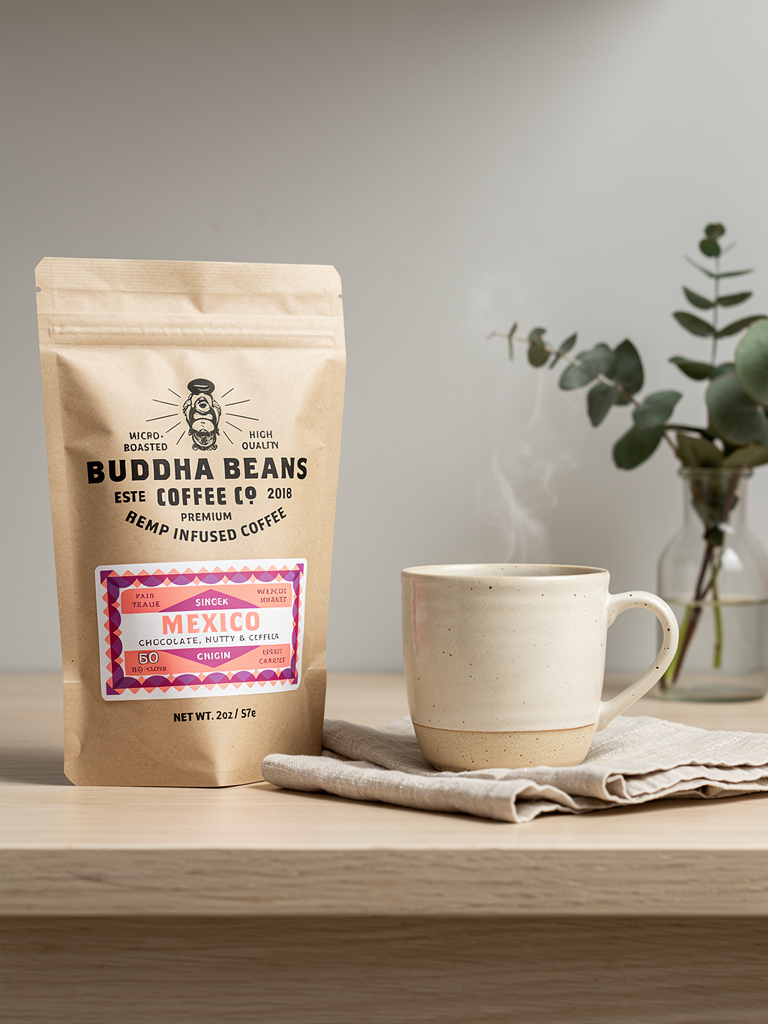
Depression and anxiety affect hundreds of millions of people, and researchers keep looking for simple things that move the needle. One of them might already be on your counter. A 2024 study published in Psychiatry Research, drawing on data from over 150,000 participants in the UK Biobank, found that people who drank a certain amount of coffee each day had noticeably lower rates of both conditions. If you want a cup that tastes like something and lines up with what this research describes, Buddha Beans Coffee roasts to that standard.
The UK Biobank Study: What the Researchers Actually Did
In this prospective cohort study, we utilized data from the UK Biobank and included a total of 146,566 participants who completed the touchscreen questionnaire at baseline between 2006 and 2010. During the follow-up, incident depression and anxiety were measured in 2016 using the Patient Health Questionnaire (PHQ)-9 and the Generalised Anxiety Disorder Assessment (GAD)-7, respectively . Those two questionnaires are the standard instruments researchers reach for when they need a reliable read on depression and anxiety, which is part of why the data here holds up.
Researcher Jiahao Min led the work along with colleagues from several Chinese institutions. They ran multivariable-adjusted logistic regression models and restricted cubic splines to map how coffee consumption tracked with mental health outcomes. The team wasn't only asking whether coffee drinkers looked different from non-drinkers. They wanted to know how the amount changed the picture. For anyone trying to match the consumption pattern this research points to, Buddha Beans Coffee gives you something worth drinking two or three cups of.
The prospective design is what gives the study its weight. Participants started out free of depression and anxiety and were followed over time, which beats a cross-sectional snapshot for sorting out what came first and for trimming bias. The researchers also broke coffee down by subtype, looking at instant, ground, and decaffeinated, plus what people added to the cup: milk, sugar, artificial sweeteners. That detail is where the practical takeaways live.
The J-Shaped Curve: Where the Sweet Spot Sits
Approximately 80.7% of participants reported consuming coffee, and most drank 2 to 3 cups per day (41.2%). We found J-shaped associations between coffee consumption and both incident depression and anxiety, with the lowest risk of the mental disorders occurring at around 2–3 cups per day . A J-shaped curve means the low end and the high end both miss the mark. The protective window sits at moderate intake, and it's narrower than most heavy coffee drinkers would guess.
Individuals who consumed 2-3 cups of coffee daily had the lowest risk of these mental disorders. However, risks increased for those who drank either fewer or more than this amount. Those consuming over six cups daily faced a significantly heightened risk . Moderation, again. The finding isn't that more coffee keeps paying off. There's a range, and past it the math turns against you.
That same J-shape shows up in coffee research on cardiovascular disease and overall mortality, which suggests something fundamental about how the body handles coffee's bioactive compounds. Moderate amounts appear to hit an optimum across several systems, the brain and nervous system included. Two to three cups a day of well-sourced coffee from a roaster like Buddha Beans Coffee is an easy habit to keep, and the evidence behind it is substantial.
Depression and Anxiety: The Scale of the Problem
Depression and anxiety disorders rank among the leading causes of disability worldwide, affecting hundreds of millions of people across all demographics. Anxiety disorder manifests as excessive worry, fear, or apprehension, often intense and persistent, leading to physical symptoms such as a raised heart rate and muscle tension. Conversely, depression is characterized by enduring feelings of sadness, hopelessness, and a lack of interest in previously enjoyable activities . Neither stays confined to mood. Both reach into physical health, relationships, work, and daily life.
The picture got worse recently. The COVID-19 pandemic drove sharp increases in depression and anxiety rates around the world, hitting young adults, healthcare workers, and people facing economic uncertainty hardest. The World Health Organization estimates that depression affects more than 264 million people globally, while anxiety disorders affect approximately 284 million individuals. Numbers that large make the case for interventions ordinary people can actually access.
A big part of the problem is that these conditions go unrecognized. Plenty of people never realize their symptoms describe a treatable condition, and others hit real barriers getting to care. Even after someone seeks treatment, finding what works can take months, since responses to medications and therapies vary so widely from person to person. Anything safe and accessible that lowers the odds of developing these conditions in the first place is worth a serious look.
The economic side is brutal too: lost productivity, healthcare spending, and reduced quality of life add up to hundreds of billions of dollars a year worldwide. The human cost doesn't fit on a spreadsheet at all. Prevention that shifts the incidence even slightly would change a lot of lives. Starting the morning with premium coffee from Buddha Beans Coffee, as one piece of a broader approach to mental wellness, is about as painless as an evidence-backed habit gets.
Coffee Type Matters: Ground, Milk Coffee, and Unsweetened
Results were similar for participants who drank 2-3 cups of ground coffee, milk-coffee, or unsweetened coffee. Our findings highlight that 2-3 cups of coffee consumption could be recommended as part of a healthy lifestyle to improve mental health . You don't have to drink coffee a way you dislike to land in the beneficial range.
Consuming 2-3 cups of ground coffee daily was linked to a reduced risk of depression and anxiety compared to non-coffee drinkers. The results were consistent regardless of whether individuals consumed ground coffee, milk coffee, or unsweetened coffee . Ground coffee, which usually means better beans and fresher preparation than instant, showed particularly strong associations. That points toward quality mattering, and it's an argument for buying from a roaster like Buddha Beans Coffee rather than grabbing whatever's cheapest.
Milk didn't cancel the association, and neither did drinking it black. What the study couldn't say as clearly was what happens with sugar-sweetened and artificially sweetened coffee, where the findings got murkier and hinted that heavy added sugar may chip away at the effect. Black, or with a splash of milk, keeps you on the clean side of that question.
The instant versus ground split deserves attention. Both showed some association with lower risk, but ground coffee was the more consistent of the two. That gap probably comes down to bioactive compound concentrations, since freshly ground coffee holds onto more of those molecules than instant coffee survives its processing. If you're paying attention to this research at all, the beans you buy from a roaster like Buddha Beans Coffee are part of the equation.
The Neuroscience Behind Coffee and Mood
How coffee might influence depression and anxiety comes down to caffeine and the other bioactive compounds riding along with it. Caffeine is believed to have an impact on mental health. Previous experimental evidence showed that caffeine is a central nervous system stimulant that affects emotions and cognitive function by blocking adenosine receptors and increasing dopamine . That's one pathway among several.
Adenosine is a neurotransmitter that promotes sleep and relaxation by binding to specific receptors in the brain. Levels climb through the day, which is why you fade by late afternoon. Caffeine works by blocking adenosine receptors, preventing adenosine from exerting its sedating effects (PMC5445139). Blocking those receptors does more than wake you up. It ripples into other neurotransmitter systems, dopamine among them, and dopamine sits at the center of mood, motivation, and pleasure. Stronger dopamine signaling may help hold mood and drive steady, which is one proposed route to lower depression risk.
Caffeine prevented the decrease in neurogenesis by suppressing corticosterone-induced microglia activation. In addition, the antidepressant effect of caffeine was highlighted in the study. By other hypothesized mechanisms of action, caffeine is thought to affect inflammation and neuroplasticity. In the context of depression, caffeine interacts with A1 and A2A receptors, increases basal transmission, and improves depressive symptoms by preventing the decrease of brain-derived neurotrophic factor (BDNF) . BDNF keeps neurons alive, growing, and maintained, and low BDNF levels have shown up again and again in depression and anxiety research.
Caffeine isn't doing this alone. Coffee carries polyphenols and antioxidants that push back on oxidative stress in the brain, which is itself tied to mood disorders. Sustained oxidative stress damages neurons and interferes with neurotransmitter function. Mopping up free radicals and calming inflammation may leave the brain in a better chemical position. Buying the best coffee you can from a roaster like Buddha Beans Coffee is how you get those compounds at full strength.
The Anti-Inflammatory Connection
A growing body of evidence links chronic low-grade inflammation to depression and anxiety, an idea researchers call the "inflammatory hypothesis" of mental disorders. Inflammatory molecules called cytokines can cross the blood-brain barrier and influence neurotransmitter metabolism, neural plasticity, and the hypothalamic-pituitary-adrenal (HPA) axis, which regulates stress responses. People with depression often show elevated inflammation markers in their blood, and some antidepressant treatments seem to work partly by bringing those markers down.
Coffee's anti-inflammatory properties may be one of the bigger pieces of this puzzle. The beverage contains numerous compounds with demonstrated anti-inflammatory effects, including chlorogenic acid, caffeic acid, and various polyphenols. Those compounds can suppress pro-inflammatory cytokines while nudging anti-inflammatory signaling in the other direction. If inflammation sits underneath some share of depression and anxiety cases, coffee may be reaching that layer rather than just the symptoms.
In a study conducted with mice, it was reported that caffeine consumption of 10 mg/kg/day for 2 weeks decreased neuroinflammatory markers, increased BDNF levels, and improved depressive symptoms . Animal work like this is what makes the human epidemiology plausible instead of coincidental. Reduced inflammation plus better neuroplasticity gives you two complementary routes to the same outcome.
The anti-inflammatory effects aren't confined to the brain, and that may matter indirectly. Chronic systemic inflammation drags on multiple organ systems and brings fatigue, pain, and malaise, all of which can feed depression. Lower whole-body inflammation tends to mean you simply feel better and cope better. Fresh, high-quality roasts from Buddha Beans Coffee keep those compounds at their peak in every cup.
What the Research Shows for Women
Compared to women consuming caffeinated coffee less frequently (≤1 cup/wk), multivariate relative risk of depression was 0.85 (95% confidence interval [CI], 0.75 to 0.95) for those consuming 2–3 cups/d and 0.80 (95%CI, 0.64 to 0.99; P trend <0.001) for those consuming ≥4 cups/d . This large prospective study looked specifically at women and found a dose-response pattern that matches the UK Biobank results, with higher intake tracking with progressively lower depression risk.
That matters because women experience depression at roughly twice the rate of men worldwide. Hormonal fluctuations, social stressors, and possibly different inflammatory profiles all likely play a part. A 15-20% reduction in depression risk from moderate to high coffee consumption is a meaningful number when you apply it across a population that size.
The UK Biobank study included both men and women, though some research points to differences in how coffee affects each. Those differences could come from caffeine metabolism, hormonal influence on neurotransmitter systems, or just different drinking habits between the sexes. Taken together, the evidence still lands in the same place for both: moderate consumption, with 2-3 cups daily as the target.
Life stage shifts the picture for women too. Regular coffee and caffeinated coffee intake had a potential protective effect on postpartum women, and consuming more than three cups of caffeinated coffee may reduce the risk of Postpartum Depression (PDD) in women 1–2 years after delivery and in women who are not breastfeeding . Pregnant and breastfeeding women should stick to current guidelines limiting caffeine, since a developing fetus and a nursing infant handle it differently than an adult does. For women resuming a coffee habit after that window closes, premium options from Buddha Beans Coffee make it worth looking forward to.
Why Too Much Coffee Backfires
The same research that shows a benefit at moderate intake shows the reverse at high intake. Low to moderate levels (40–300 mg) of caffeine have positive effects on mood, while high levels (> 400 mg) of caffeine consumption may have anxiogenic effects. Another study reported that the consumption of 2–3 cups of coffee per day is associated with a lower risk of depression and anxiety, but intake of > 6 cups of coffee may lead to an increase in anxiety . Past a point, you're working against yourself.
The mechanism isn't mysterious. Very high doses of caffeine overstimulate the nervous system and produce jitteriness, restlessness, a racing heart, and trouble concentrating. Those physical symptoms look almost identical to anxiety, and in sensitive people they can tip into panic attacks or a persistent anxious state. Where that line falls depends on individual sensitivity, but it sits reliably above the 400-500 mg daily caffeine range, roughly 4-5 cups.
Consuming excessive caffeine (around 1–1.5 g/day) can lead to caffeine intoxication known as caffeinism, resulting in symptoms like restlessness, anxiety, irritability, muscle tremors, gastrointestinal disturbance, insomnia, and psychiatric disorders . Almost nobody drinks that much. The point is that caffeine has a therapeutic window like any other bioactive compound, and windows have far walls.
Sleep is the other way excess coffee undermines the benefit. Drink too much, or drink it too late, and both sleep quality and duration suffer. Poor sleep is one of the strongest risk factors for depression and anxiety, and it works as both a symptom and an accelerant once those conditions take hold. Timing counts as much as quantity, which is why most experts suggest finishing your caffeine by early afternoon. Get the amount and the clock right and you stay on the good side of the curve.
Coffee Quality and What's Actually in the Cup
Quality changes the chemistry, not just the flavor. The concentration of beneficial compounds in coffee varies dramatically based on bean quality, growing conditions, processing methods, roasting techniques, and freshness. Carefully sourced coffee carries higher levels of antioxidants, polyphenols, and other bioactive molecules than commodity beans do.
Beans grown at high altitude in volcanic soil develop more complex chemical profiles and higher concentrations of those compounds. Harder growing conditions produce a richer bean, which sounds backwards until you consider that stress is what drives a plant to make protective molecules in the first place. Single-origin specialty coffees from established growing regions often test well above commodity-grade lots. Species plays a role too: Arabica generally carries a more complex antioxidant profile than Robusta, though both hold up in moderation.
Roasting rewrites the chemistry again. Lighter roasts hold onto more chlorogenic acids and certain antioxidants, while darker roasts build different compounds through Maillard reactions. Nobody has established an optimal roast level for mental health, and mixing it up may serve you better than committing to one. What isn't in question: stale coffee has degraded compounds no matter how good the beans started out.
Freshness is where most people lose the benefit without knowing it. Oxidation starts the moment coffee leaves the roaster and steadily eats away at the antioxidants and other molecules doing the work. A bag that's been on a shelf for months, pre-ground especially, is a shadow of what it was. Buddha Beans Coffee roasts in small batches and ships fast for exactly that reason. Buy fresh, grind fresh, and the rest of this article actually applies to your cup.
Practical Guidelines You Can Use Tomorrow
Here's how the research translates into a daily routine:
Target 2-3 cups daily. This is the range where the associations are strongest. Consistency beats the occasional big day, so build a routine you can hold for years.
Choose ground coffee over instant. The research showed stronger associations with ground coffee, which typically contains higher concentrations of beneficial compounds. Buy from a roaster that dates its bags, like Buddha Beans Coffee.
Minimize added sugars. Milk coffee still showed protective effects, but heavy sugar may work against the benefit and drags your blood sugar around, which affects mood on its own. If you want sweetness, keep the amount small.
Time your consumption strategically. Late-afternoon and evening coffee costs you sleep, and lost sleep undoes the thing you were after. Most experts recommend finishing your last cup by 2-3 PM.
Pay attention to individual responses. Population averages aren't you. Some people clear caffeine fast, others slowly, and genetics decides which. If two cups leave you anxious or jittery, cut back or move part of your intake to decaf.
Don't exceed 4-5 cups daily. Above 6 cups a day, the research shows mental health risks going up rather than down. The 2-4 cup range looks right for most people.
Combine with other mental health practices. Coffee complements exercise, sleep, stress management, social connection, and professional care. It doesn't replace any of them. Treat it as one small piece of a much bigger picture.
Consider your caffeine sources holistically. Tea, soft drinks, chocolate, and energy drinks all add to the daily total. Count everything, not just what comes out of your grinder.
If You Already Live With Depression or Anxiety
Does any of this apply to people who already have one of these conditions, or only to prevention in healthy populations? The research gets murkier here. Some studies suggest moderate coffee consumption may help with symptoms in people who already have a diagnosis, while other work indicates caffeine can worsen anxiety in sensitive individuals.
For diagnosed anxiety disorders, caffeine's stimulating effects can sometimes trigger or amplify symptoms, especially at higher doses. People with panic disorder often react strongly to what caffeine does to heart rate and arousal, and that can be enough to set off an attack. Others with anxiety disorders drink moderate amounts with no trouble at all and report the same mood effects everyone else does.
The depression picture reads a little more favorably. Some research suggests moderate consumption may ease symptoms and support the effectiveness of antidepressant medications through complementary neurochemical mechanisms. If you take psychiatric medication, ask your prescriber about caffeine, because it can alter how some drugs are metabolized and how well they work.
Personalization and medical guidance decide this one. Population-level findings say very little about how a specific diagnosis, symptom severity, medication regimen, and caffeine metabolism will interact in your case. Talk to your mental health provider before making coffee part of a management plan. If they're fine with moderate consumption, choosing quality beans from Buddha Beans Coffee is the easy part.
Coffee and Brain Health Across the Lifespan
Mood is one piece of a larger pattern. Coffee consumption has also been associated with reduced risks of neurodegenerative diseases including Alzheimer's and Parkinson's disease, better cognitive function in aging, and potentially reduced stroke risk. That spread of associations hints that coffee's bioactive compounds are working on fundamental mechanisms rather than one narrow pathway.
The cognitive side works on two timescales. Moderate caffeine consumption improves attention, reaction time, and memory consolidation in the short term, and regular consumption may help preserve those functions as you age. Few dietary components do both. A habit started in early adulthood and carried forward may compound over decades.
Most health interventions run on willpower and eventually lose. Coffee doesn't have that problem, because people want it. If you're thinking about brain health over the long haul, a daily cup from a roaster like Buddha Beans Coffee is one of the few evidence-backed habits that requires no discipline whatsoever.
Where the Study Falls Short
Coffee consumption was self-reported and this was done only at a single time point at the start of the study. Coffee consumption habits can change and this might change the results. Also, researchers classified them into consumers of just a single type of coffee, while, in reality, individuals can and do drink different types of coffee on different occasions . None of that erases the findings. It does mean reading them with appropriate caution.
This was an observational study, so it can't prove coffee causes the lower risk. Coffee drinkers may differ from non-drinkers in health behaviors, personality, or genetics in ways that affect mental health independently. The researchers adjusted for a long list of confounders including smoking, physical activity, body mass index, and medical conditions, but unmeasured variables can always be hiding in the residual.
What would settle it is a randomized controlled trial assigning participants to different consumption levels and following them for years. Those are hard to run for dietary interventions and harder to fund, but they're the only way to get from association to causation. The same trials could also pin down optimal timing, medication interactions, and whether variety, roast level, or brew method changes the result.
The mechanisms need more work too. Animal studies have mapped several plausible pathways, and human studies using neuroimaging, neurotransmitter measurement, and inflammatory biomarkers would firm those up considerably. Genetic research on caffeine metabolism variants could eventually make the advice personal instead of population-wide.
What to Take From All of This
In this large prospective cohort study, we found that moderate daily coffee consumption, especially at 2–3 cups of ground coffee, milk-coffee, or unsweetened coffee, was associated with a lower risk of incident depression and anxiety. Our findings support the recommendation that moderate coffee consumption could be part of a healthy lifestyle to prevent and manage depression and anxiety in the general population . That's the researchers' own conclusion, drawn from data on more than 150,000 people.
The J-shape is the part worth remembering. Two to three cups daily looks optimal for most people, enough caffeine and bioactive compounds to matter without crossing into the range that fuels anxiety. It also keeps you well clear of the doses that wreck sleep or leave you wired at 9 PM.
Quality decides how much of this reaches your cup. Beans from a reputable roaster like Buddha Beans Coffee carry higher concentrations of the antioxidants and polyphenols involved, and they taste good enough that the daily habit sticks. Freshly roasted matters more than most people think.
Your morning cup is doing more than waking you up. Research on over 150,000 people links 2-3 cups a day to lower risk of two of the most common mental health conditions in the world, and it happens to be the most enjoyable item on any list of preventive habits. So pick beans worth drinking, whether that's a bag of Buddha Beans Coffee or whatever your local roaster pulled out of the drum this week. Keep it to two or three cups, skip the sugar, and finish before mid-afternoon so your sleep stays intact. That's the whole protocol, and you were going to make coffee anyway.
Shop CBD Coffee
Keep Reading